
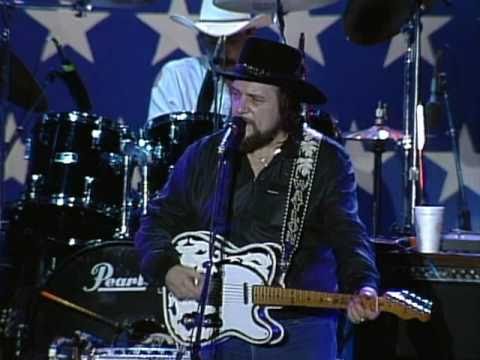
Waylon Jennings’ “I Ain’t Living Long Like This”: A Timeless Classic in Music History
Waylon Jennings was a trailblazer in the country music genre, known for his distinctive voice and outlaw image. Among his many hits, “I Ain’t Living Long Like This” stands out as a poignant narrative that captures the essence of the outlaw lifestyle. Released in 1979, the song has become a staple in classic country music, resonating with fans for its raw honesty and gritty storytelling. In this article, we will delve deep into the song’s history, its significance, and the legacy it has left behind in the world of music.
Waylon Jennings: A Cornerstone of Music
Waylon Jennings was born on June 15, 1937, in Littlefield, Texas. His career began in the late 1950s when he joined Buddy Holly’s band, The Crickets, before embarking on a solo career. Jennings was a pioneer of the outlaw country movement, which sought to break free from the polished sounds of mainstream Nashville and return to the genre’s roots. His unique blend of rock and country, along with his rebellious spirit, earned him a dedicated fanbase and established him as a cornerstone of American music.
The Era of “I Ain’t Living Long Like This”
“I Ain’t Living Long Like This” was released during a transformative period in country music. The late 1970s marked the rise of the outlaw country movement, which featured artists like Willie Nelson, Johnny Cash, and Jennings himself. This era was characterized by a raw, authentic sound that celebrated themes of rebellion, heartbreak, and the struggles of everyday life. Jennings’ song perfectly encapsulates the ethos of this movement, reflecting the disillusionment and defiance of a generation seeking to carve out its identity in a changing musical landscape.
Songwriting Credits and Significance
The song was penned by renowned songwriter and musician, “Big” Al Anderson, who was a member of the band NRBQ and later had a successful solo career. Anderson’s songwriting ability shines through in “I Ain’t Living Long Like This,” as he crafts a narrative that is both relatable and deeply personal. The collaboration between Jennings and Anderson is significant, as it highlights Jennings’ willingness to embrace outside material that resonated with his own experiences. This openness to diverse influences helped to shape Jennings’ sound and solidified his status as an innovator within the genre.
The Storyline of “I Ain’t Living Long Like This”
The storyline of “I Ain’t Living Long Like This” revolves around a man who is living on the edge, fully aware of the consequences of his lifestyle. The protagonist is a drifter, a man who acknowledges that his choices may lead him to an early grave. The song’s narrative unfolds with a sense of urgency, as the character reflects on his reckless behavior and the inevitability of his fate. This compelling storyline captures the spirit of the outlaw life, where danger and excitement intertwine, leaving listeners with a sense of both admiration and sympathy for the character’s struggles.
Lyrical and Thematic Analysis
The lyrics of “I Ain’t Living Long Like This” are a masterclass in storytelling. They convey a sense of resignation mixed with defiance, as the protagonist grapples with his choices. Phrases like “I ain’t living long like this” serve as a stark reminder of the fleeting nature of life, while also emphasizing a refusal to conform to societal norms. The themes of mortality, freedom, and self-destruction resonate deeply within the context of the outlaw movement, where artists often explored the darker aspects of life. Jennings’ delivery of these lyrics adds an extra layer of poignancy, making the song relatable to anyone who has faced their own struggles.
Vocal Delivery and Emotional Interpretation
Waylon Jennings’ vocal delivery in “I Ain’t Living Long Like This” is nothing short of iconic. His deep, resonant voice carries a weight that perfectly complements the song’s themes. Jennings’ ability to convey emotion through his singing is one of his greatest strengths as an artist. In this track, he oscillates between a laid-back demeanor and moments of intense urgency, capturing the internal conflict of the protagonist. Listeners can feel the pain and defiance in his voice, making the song not just a story, but an emotional experience that lingers long after the final note.
Instrumentation and Production Style
The instrumentation in “I Ain’t Living Long Like This” reflects the raw, unpolished sound that characterized the outlaw country movement. The song features a blend of electric and acoustic guitars, harmonica, and a steady rhythm section that drives the narrative forward. The production style is intentionally sparse, allowing Jennings’ voice and the lyrics to take center stage. This simplicity enhances the authenticity of the song, as it feels more like a live performance than a polished studio recording. The arrangement captures the essence of the outlaw spirit, emphasizing the importance of storytelling over flashy production techniques.
Chart Performance and Cultural Impact
Legacy within Classic Music
“I Ain’t Living Long Like This” is more than just a song; it is a testament to Waylon Jennings’ artistry and the enduring appeal of the outlaw country movement. Its raw honesty and compelling narrative have influenced countless artists, helping to shape the direction of country music in the years that followed. The song’s legacy is evident in its continued presence in popular culture, as it is frequently featured in movies, television shows, and live performances. Jennings’ ability to capture the complexities of the human experience through his music ensures that “I Ain’t Living Long Like This” will remain an essential part of the classic music canon for years to come.
“`