
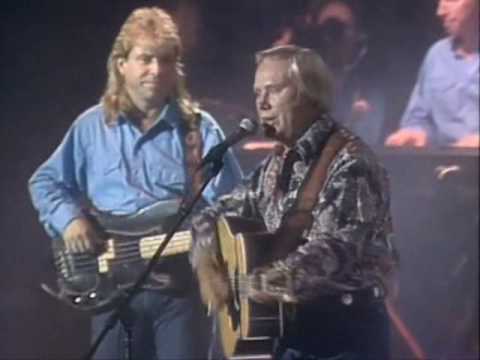
George Jones’s “I Don’t Need Your Rocking Chair”: A Timeless Classic in Music History
In the pantheon of country music, few artists shine as brightly as George Jones. Known for his unparalleled vocal prowess and emotionally resonant storytelling, Jones carved out a legacy that continues to influence musicians today. Among his many hits, “I Don’t Need Your Rocking Chair” stands out not only as a testament to his talent but also as a poignant reflection on aging, independence, and resilience. Released in 1990, this song encapsulates the essence of Jones’s artistry, making it a timeless classic in the ever-evolving landscape of American music.
George Jones: A Cornerstone of Music
Born on September 12, 1931, in Saratoga, Texas, George Jones would go on to become one of the most influential figures in country music history. His career spanned over five decades, during which he released a staggering number of albums and singles, many of which became instant classics. Jones was known for his distinctive voice—a rich baritone that could convey deep sorrow and unbridled joy with equal authenticity. His life was marked by both triumph and tragedy, with battles against addiction and personal demons that shaped his music and public persona.
Despite these struggles, Jones’s contributions to the genre are undeniable. He is often referred to as “The Possum” and is celebrated for his ability to connect deeply with audiences through his songs. “I Don’t Need Your Rocking Chair” is one such example, showcasing both his lyrical depth and emotional range, while also capturing the spirit of a man who refuses to be defined by age.
The Era of “I Don’t Need Your Rocking Chair”
“I Don’t Need Your Rocking Chair” was released during a pivotal moment in country music, a time when the genre was beginning to embrace a more diverse range of sounds and influences. The late 1980s and early 1990s saw the emergence of country artists crossing over into mainstream pop markets, but George Jones remained steadfast in his traditional roots. The song was released as part of the album “You Oughta Be Here With Me,” and it resonated with listeners who appreciated classic country storytelling.
The song’s themes of aging and self-affirmation were particularly relevant in an era that often glorified youth and vitality. Jones’s decision to confront these topics head-on in his music was both bold and refreshing, allowing him to connect with an audience that had grown older alongside him. This song not only marked a continuation of his legacy but also served as a rallying cry for those who refuse to be sidelined by the passage of time.
Songwriting Credits and Significance
The significance of this song lies not just in its lyrical content but also in its broader implications for the genre. It challenged the stereotypes surrounding aging musicians and proved that there is still much to say—and sing—at any age. Jones’s interpretation of the song further elevated its importance, making it an anthem for those who refuse to be defined by societal expectations.
The Storyline of “I Don’t Need Your Rocking Chair”
The narrative unfolds with a sense of defiance, as the protagonist declares that he will not be confined to a rocking chair, symbolizing a refusal to give in to the limitations that age can impose. This message resonates deeply with listeners who may find themselves grappling with similar feelings of vitality and resistance against the passage of time.
Lyrical and Thematic Analysis
Thematically, the song explores notions of identity, self-worth, and the human spirit. It challenges the listener to reflect on their own views of aging and the often unfair stigmas that accompany it. The lyrical content is imbued with a sense of hope and resilience, making it not just a song about aging, but an anthem for anyone seeking to live life on their own terms.
Vocal Delivery and Emotional Interpretation
George Jones’s vocal delivery in “I Don’t Need Your Rocking Chair” is nothing short of masterful. His rich, emotive voice carries a weight of experience and authenticity that resonates deeply with listeners. Jones’s ability to convey a spectrum of emotions—from defiance to longing—adds layers of meaning to the song. Each note is infused with genuine passion, drawing the audience into the narrative and making them feel every word he sings.
Jones’s interpretation of the song transforms it from a simple statement into a powerful declaration. His vocal nuances, from subtle inflections to poignant pauses, enhance the storytelling aspect of the song, allowing listeners to connect with the narrator’s journey on a personal level. It is this emotional depth that solidifies Jones’s status as one of the greatest vocalists in country music history.
Instrumentation and Production Style
The instrumentation in “I Don’t Need Your Rocking Chair” complements Jones’s vocal performance beautifully. The arrangement features traditional country elements, including steel guitar, fiddle, and a steady rhythm section that provides a solid foundation for the song. The production, helmed by renowned producer Billy Sherrill, captures the essence of classic country while also incorporating a polished sound that appeals to broader audiences.
The interplay between the instruments and Jones’s voice creates a rich tapestry of sound that enhances the emotional weight of the lyrics. The subtle melodies and harmonies add depth to the song, allowing it to breathe while maintaining a strong connection to its country roots. This balance of traditional and contemporary elements is part of what makes “I Don’t Need Your Rocking Chair” a standout track in Jones’s discography.
Chart Performance and Cultural Impact
The cultural impact of the song extends beyond its chart performance. It has been embraced as an anthem by older generations who resonate with its themes of resilience and independence. The song has been covered by various artists over the years, further solidifying its status as a classic within the genre.
Legacy within Classic Music
The legacy of “I Don’t Need Your Rocking Chair” is multifaceted. It serves as a powerful reminder that age does not diminish one’s value or capacity for expression. For George Jones, it encapsulates a defining moment in his career—one that reassured his fans of his enduring spirit and artistic relevance. The song continues to inspire new generations of musicians and listeners, encouraging them to embrace their individuality and to resist the confines of societal expectations.
In the larger context of country music, “I Don’t Need Your Rocking Chair” stands as a testament to the genre’s ability to address real-life issues with authenticity and heart. Jones’s contribution to the song and the genre at large reflects a commitment to storytelling that transcends time. As long as there are voices seeking to tell their truths, “I Don’t Need Your Rocking Chair” will remain a timeless classic, echoing the sentiments of those who refuse to be sidelined by age or circumstance.