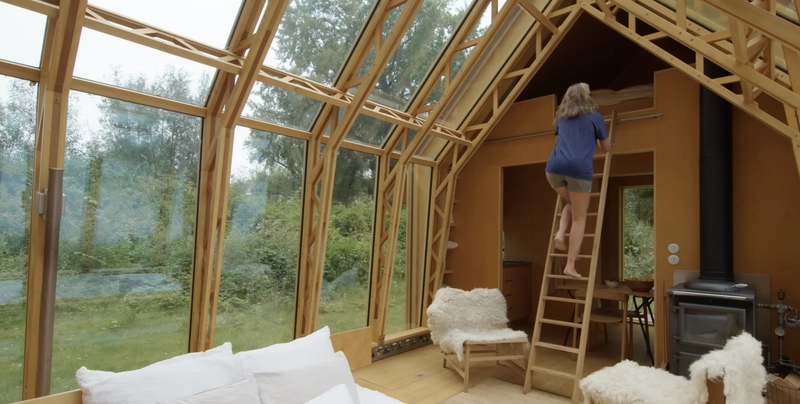
The New Era of Living: Transformative Spaces and the Soul of Design
As an interior design expert, I have witnessed a profound shift in how we perceive our living environments. We are moving away from the concept of a “static house with closed boundaries” toward a more dynamic, transformative approach to architecture and interiors. Today’s most compelling trends prioritize flexibility, emotional healing, and a seamless connection with the natural world.
1. The Power of Reconfigurability
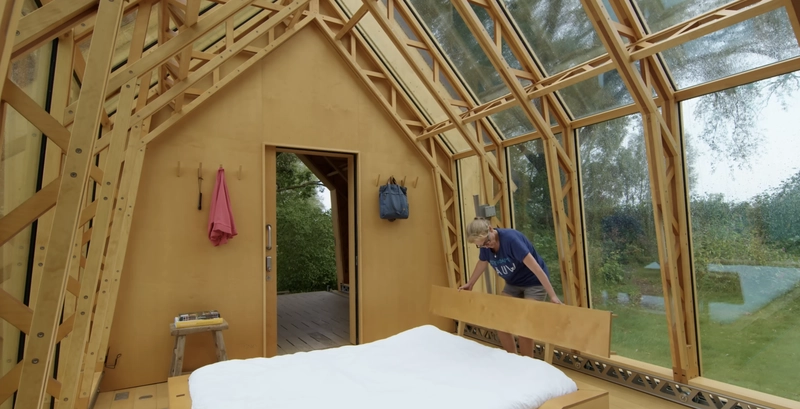
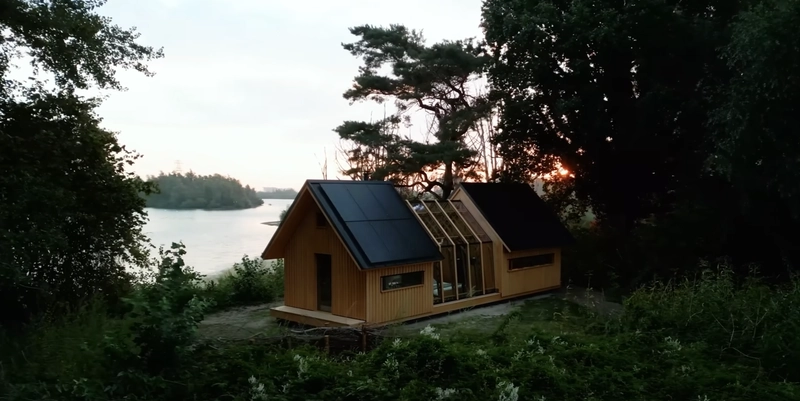
The modern home is no longer a fixed set of walls. Current trends favor structures that can be adjusted to the environment and the inhabitant’s needs, often through physical engagement or “muscle power”. This flexibility allows a space to breathe; for instance, a compact 30m² footprint can expand to 50m² to accommodate different life events, such as a yoga retreat or a dinner party.
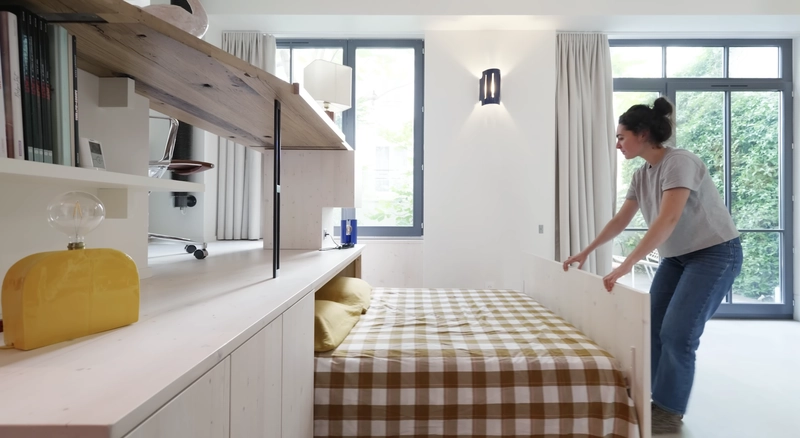
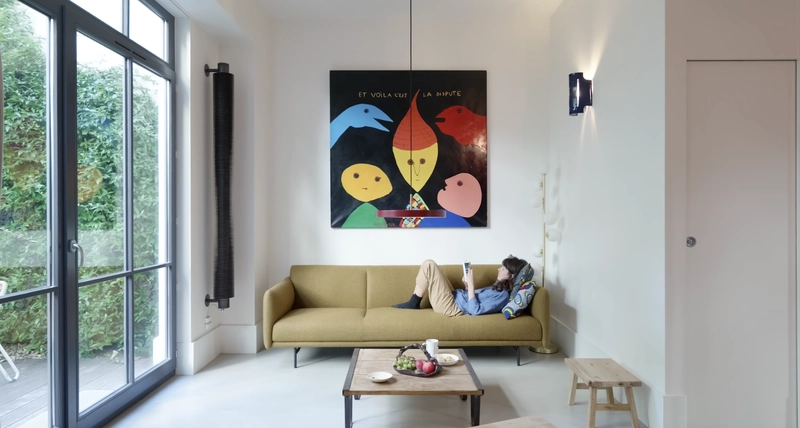
Design Advice: To achieve this in your own home, prioritize flexible use of space. Consider “open plan” layouts where furniture can be easily moved or tucked away. Investing in reconfigurable elements ensures that your home evolves with you, rather than forcing you to adapt to its limitations.
2. Designing for Emotional Wellbeing and Nature
Design is a tool for healing. There is a growing movement toward homes that “open up to nature,” allowing residents to feel at one with their environment. Being “surrounded by life” has a literal effect on our vitality, helping us “come to life” after periods of stress or grief.
To enhance mood and comfort, I recommend:
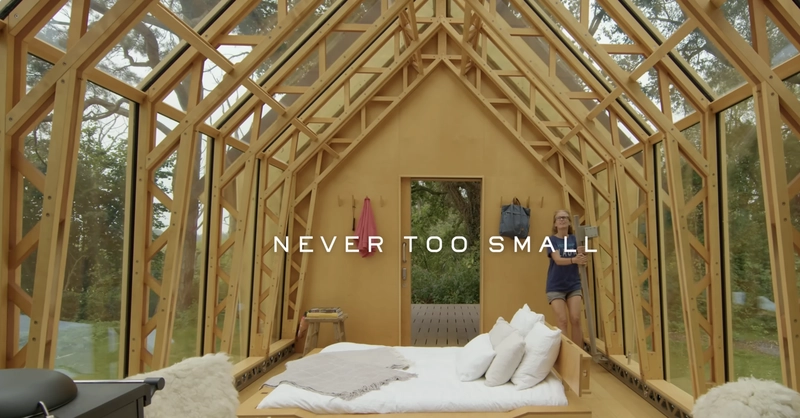
• Visual Continuity: Use elongated windows to maintain a constant connection with the outdoors while strategically blocking direct summer sunlight to keep the interior cool.
• Material Warmth: Incorporate natural materials like birch plywood and Coya wood to create a “cozy feel” in functional areas like bathrooms.
• The “Zen” Experience: Minimize visual clutter by hiding essential amenities. For example, storing a bath or bed beneath floor panels creates a serene, undisturbed environment, which is essential for mental clarity.
3. Maximizing Small-Scale Luxury
We are debunking the myth that high-quality living requires 100 or 200 square meters. You can achieve architecturally high-quality space in a very small footprint by focusing on functionality.
Specific Advice on Efficiency:
• Galley Kitchens: Use a combination of stainless steel and wood. Stainless steel is not only aesthetic but highly durable and waterproof.
• Integrated Storage: Small spaces become “messy quite quickly” without a plan. Use central storage compartments to fold away large items like tables, keeping the main living area pristine.
• Hidden Mechanics: Modern luxury includes smart engineering, such as floor-embedded beds with winch systems that allow you to change the room’s purpose in minutes.
4. Thermal Comfort and Sustainability
A home cannot be a sanctuary if it is not comfortable. Current trends place heavy emphasis on the “thermal envelope,” using high-efficiency glazing (like HR++ glass) to ensure the interior remains a “very cozy space” even in extreme cold.
Furthermore, true luxury now includes environmental responsibility. Features such as solar energy for summer hot water and wood stoves for winter heating allow a home to function off-grid. Choosing materials like Coya wood, which performs well in humid environments, ensures longevity and reduces the need for frequent replacements.
Conclusion
Ultimately, a home should be more than just a structure; it should be, as seen in the philosophy of the ANNA cabin, “a place to be”. By choosing reconfigurable designs and natural materials, we create spaces that foster a deeper connection not just to the environment, but to ourselves.