The Art of the Essential: How Architecture Reshapes Modern Living
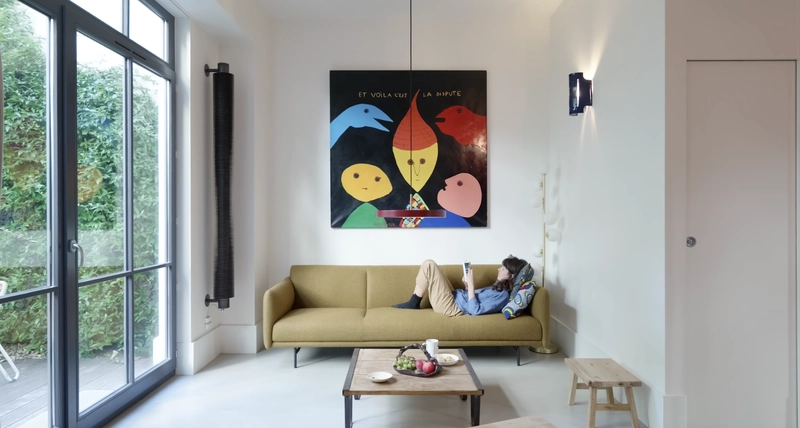
In the modern urban landscape, we are witnessing a profound shift in how we define “home.” As an architect, I see our role moving away from merely constructing walls and toward the precise optimization of space and materiality to enhance the human experience. Modern living, particularly in dense urban centers like Paris, demands a departure from traditional layouts in favor of environments that are functional, sustainable, and deeply connected to the natural world.
Spatial Efficiency: The Poetry of Precision
The cornerstone of contemporary architecture is spatial efficiency. We no longer view small footprints as limitations, but as opportunities for “thoughtful design”. For instance, in a recent 42-square-meter renovation of a former artist’s studio, the goal was to improve circulation without making major structural changes. By relocating essential services—such as moving a toilet to avoid it opening into the kitchen—and creating “private transitional spaces” like walk-in closets that lead to bedrooms, we can make a compact area feel expansive.
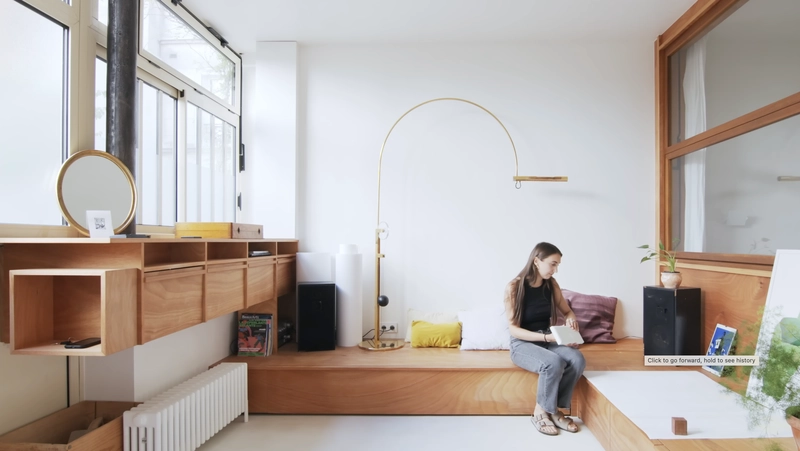
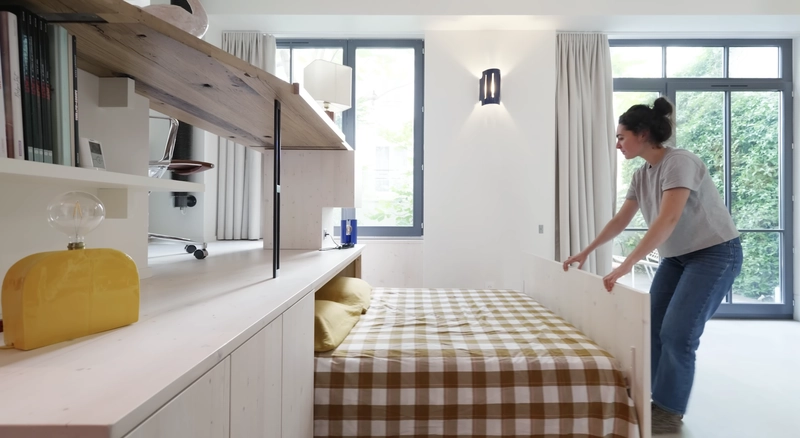
True efficiency is often hidden in bespoke, modular furniture. Custom-built joinery, such as a large bench that serves as seating, storage, and a pull-out guest bed, allows a single room to serve multiple functions throughout the day. We aim for a “refined look” where appliances like dishwashers and fridges are fully integrated or paneled to blend into the decor, minimizing visual clutter and allowing the architecture to breathe.
Sustainable and Tactile Materiality
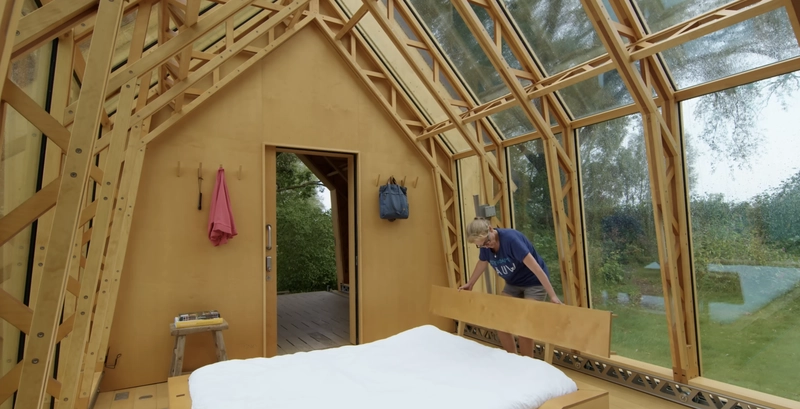
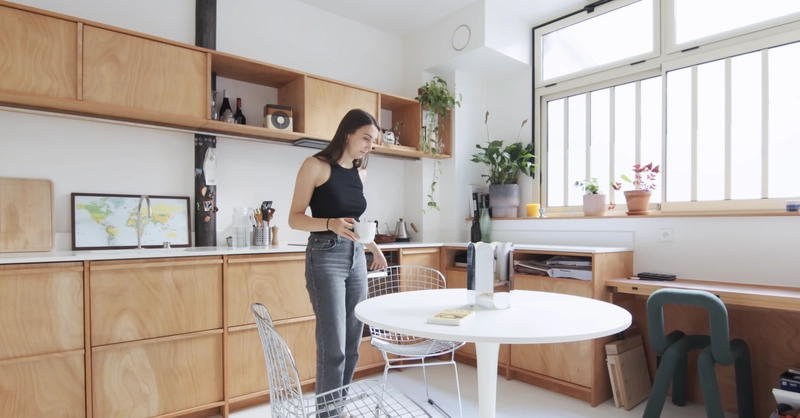
The materials we choose define the “soul” of a space. Modern living benefits from a warm, minimalist material palette that prioritizes longevity and sensory comfort. Okoumé plywood has become a staple in our practice for its warmth and moisture resistance, used seamlessly across flooring, cabinetry, and even custom headboards to create a “cocoon-like” atmosphere.
Beyond wood, we favor light-reflective materials to brighten internal spaces. White ceramic countertops, polished concrete, and lime paint offer a clean, artisanal aesthetic while remaining durable. These choices aren’t just about looks; they are about creating a continuous flow where the wood grain moves from panel to panel, highlighting the craftsmanship that turns a house into a home.
Architecture and the Natural Connection
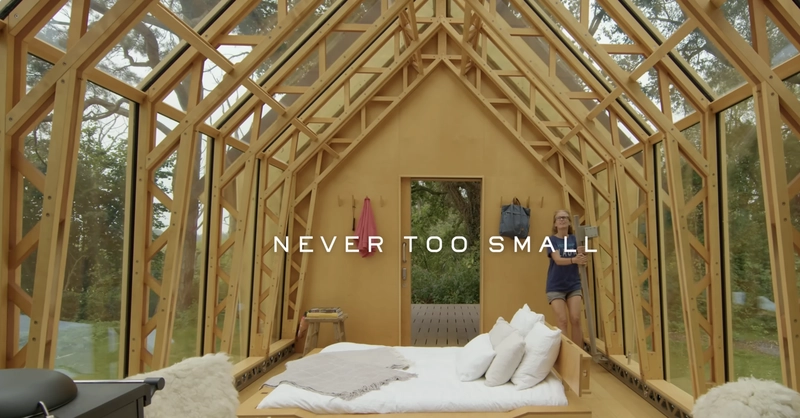
Perhaps the most vital influence of modern architecture is its ability to bridge the gap between indoor living and the natural environment. Even in a ground-floor apartment, the relationship with nature is paramount. This is achieved through:
• Visual Continuity: Designing private entrances that open directly onto courtyards where residents can curate plants and flowers.
• Natural Light and Airflow: In spaces where natural light is scarce, we utilize vertically sliding glass partitions or small internal windows to ensure “proper airflow” and light penetration into the deepest parts of the home.
• Biophilic Integration: We design “floating shelves” and ledges specifically to host plants, ensuring that greenery isn’t an afterthought but a structural component of the living area.
By blending styles—such as the “Japandi” influence which merges Scandinavian functionality with Japanese minimalism—we create spaces that are both “functional and full of character”.
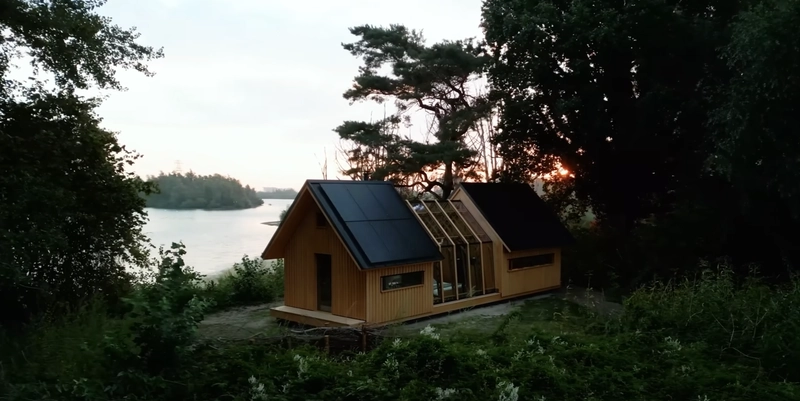
Architecture in the modern age is much like a well-crafted light box; it is a vessel designed to capture the essence of light and life, protecting the intimacy of the “cocoon” inside while remaining open to the world around it.