The Art of Mindful Living: Trends in Fusion Design and Emotional Well-being
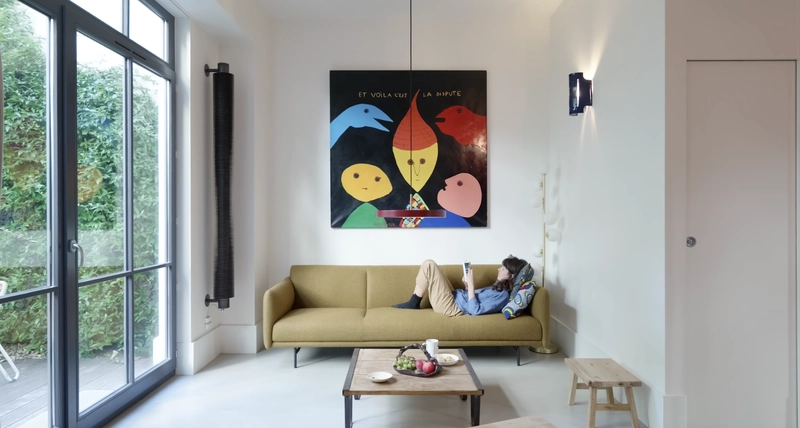
In the current landscape of interior design, we are witnessing a profound shift toward environments that prioritize both functionality and emotional resonance. As an expert in the field, I often look to the “Japandi” movement—a sophisticated blend of Japanese architecture and Scandinavian style—as the gold standard for modern living. This aesthetic does more than just fill a room; it creates a sanctuary that allows residents to leave behind the “hustle and bustle” of the outside world the moment they step through the door.
Warmth Through Materiality
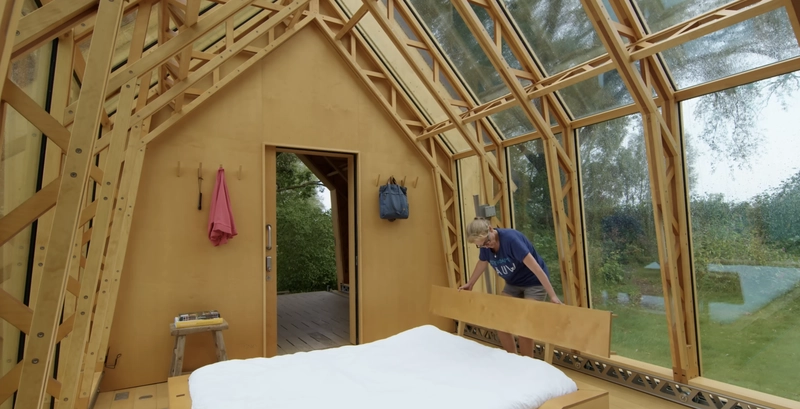
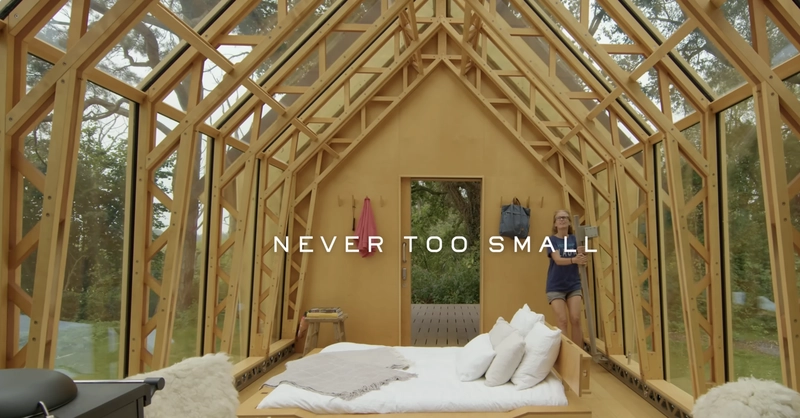
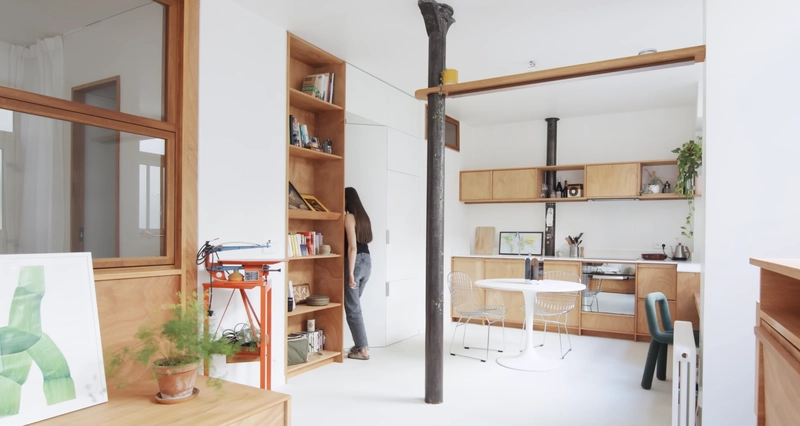
One of the most significant trends today is the move away from cold, clinical minimalism toward tactile warmth. A primary tool for achieving this is the strategic use of Okoumé plywood. This moisture-resistant wood is not only practical for areas like bathrooms but also provides a “continuous wood grain” that flows seamlessly from panel to panel, creating a sense of visual harmony.
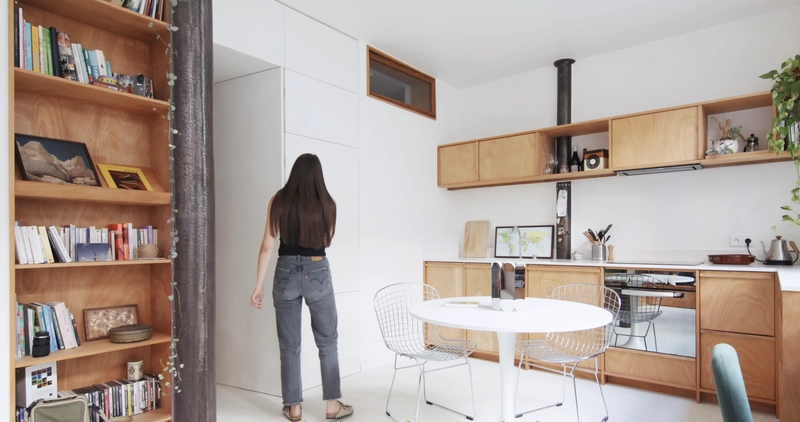
To enhance the mood of a room, consider “lime paint” and “polished concrete” for walls and floors. These materials offer a soft, organic texture that feels grounded. To balance these earthy tones, incorporate white ceramic countertops; they bring essential brightness to a space while keeping the “visual impact to a minimum,” ensuring the room feels airy rather than heavy.
The Power of Optimization and Flow
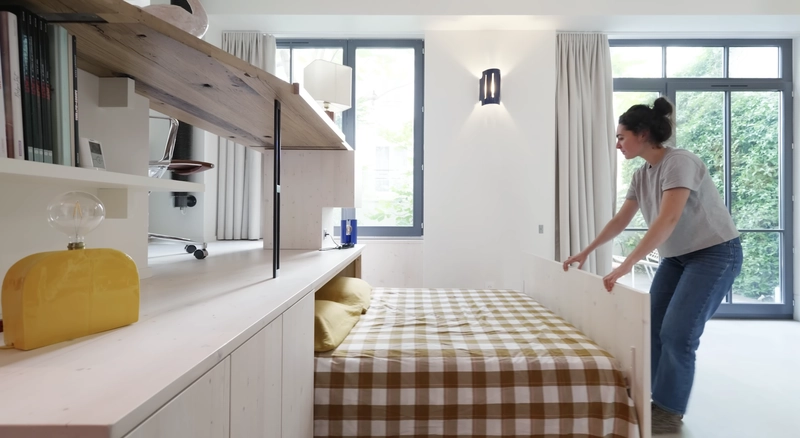
In modern urban living, comfort is often a byproduct of optimization. The goal is to create spaces that are “open yet optimized” through custom furniture. My professional advice for those dealing with compact layouts is to embrace integrated storage and modularity:
• Multifunctional Seating: Design custom-built benches that serve as seating, storage, and even a pull-out bed for guests.
• Modular Workspaces: A kitchen countertop can elegantly transition into a modular desk with a pivoting panel to provide a larger working surface when needed.
• Invisible Utility: To reduce visual clutter and improve the “refined look” of a living area, fully integrate appliances like dishwashers and fridges into the cabinetry so they become “almost invisible”.
Lighting: Creating a “Cocoon”
Design choices regarding light and air are perhaps the most influential factors in determining a home’s mood. To create an intimate, cocoon-like atmosphere, I recommend focusing on “indirect glows”. Instead of harsh overhead fixtures, use hidden LED strips or bespoke lighting made from folded stainless steel to create a soft, sophisticated ambiance.
For rooms lacking direct natural light, such as internal bedrooms, the trend is to use vertically sliding glass partitions or doors with fluted glass. These elements ensure “proper airflow” and allow light to permeate the space, making a room feel like a “light box” rather than a dark corner.
Final Design Insight
Ultimately, a successful home is one that feels personal. Whether it is adding a built-in doormat to define an entrance or using high floating shelves to “zone” a room while displaying cherished plants and books, the details should reflect the owner’s character.
Designing a home is much like composing a piece of music; the furniture and walls are the notes, but the “optimization and light” are the rhythm that allows the soul to truly rest within the space.