Spatial Efficiency: The Art of the Open Plan
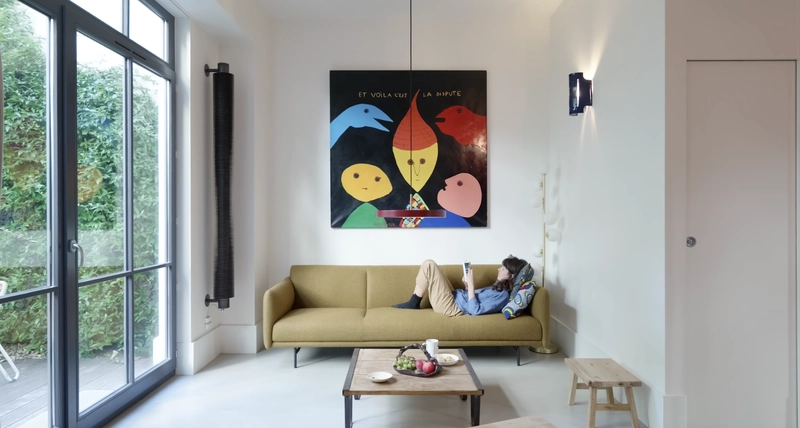
Modern living demands that we rethink how we utilize every inch of a floor plan. One of the most effective ways to influence the feel of a home is to remove physical barriers that limit light and movement. By widening doorways and merging formerly cramped rooms—such as a narrow kitchen and living area—into a single large, open space, we can transform the flow of a home.
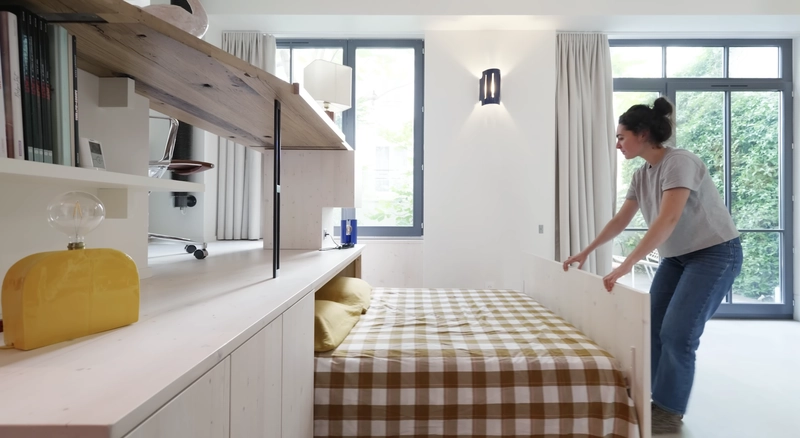
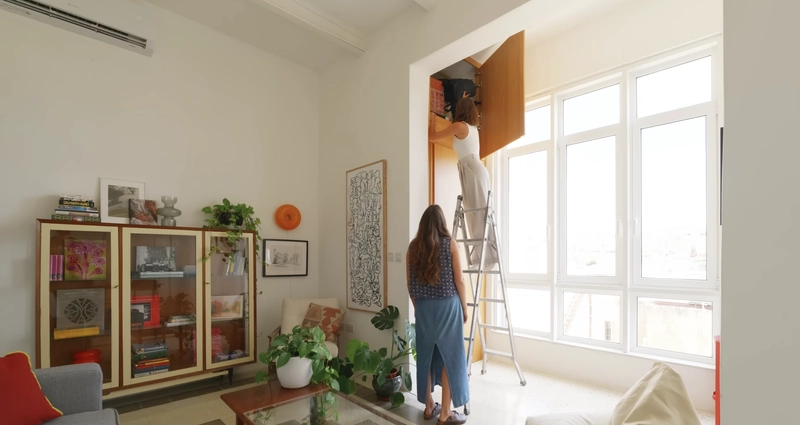
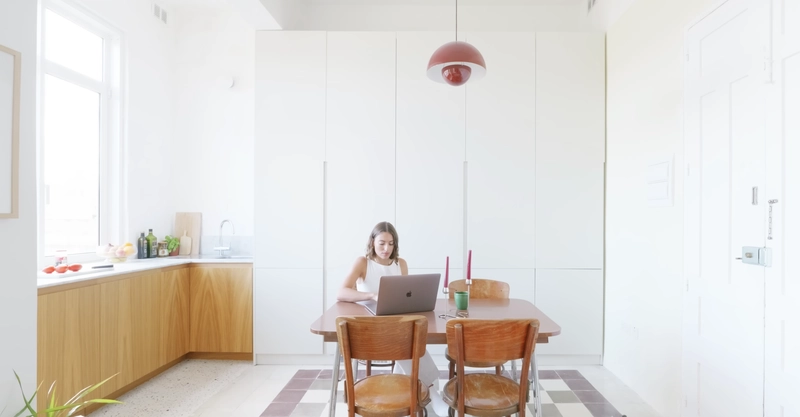
To maintain efficiency in these open areas, bespoke, full-height storage is essential. I often design minimal units that hide everything from fridges and pantries to laundry supplies and ladders behind tall doors, ensuring the living area remains uncluttered. In small spaces, we must also look upward; high ceilings allow for vertical shelving that accentuates the height of the room while providing a sense of enclosure without actually closing it off. Even the smallest details, such as shifting a tile border to make cupboards feel like they aren’t encroaching on a room’s footprint, can change how a person perceives the volume of their home.
Sustainability Through Reclaiming and Preservation
Sustainable architecture in the modern era is often about honoring what already exists. Rather than discarding the old, we can find character in original features, such as period furniture or block-colored cement tiles. When walls must be moved, we can turn to reclaimed materials, such as white cement tiles from properties of a similar age, which leave a “trace” of the home’s original history while serving a new purpose.
Beyond structural materials, sustainability is practiced by salvaging items from the local environment. Saving a neighbor’s discarded furniture or restoring original elements like balcony railings prevents waste and keeps the architectural and cultural heritage of the area alive. This approach ensures that a home feels like a continuous part of its neighborhood’s story rather than a sterile, modern insertion.
Architecture and the Natural World
Modern living often feels disconnected from nature, but architecture can bridge that gap by prioritizing natural light and urban views. In my practice, I find that lowering windowsills right down to the floor or countertop level can dramatically change a room’s atmosphere. This technique draws the eye outward, making the interior feel like an extension of the city or an outdoor terrace.
The use of natural materials and textures, such as whitewashed stone walls and oak finishes, brings an organic warmth to the home. Furthermore, reinstating elements like balconies provides a vital spot to engage with the environment—whether it is drinking coffee in the morning sun or watching the evening light shine deep into a bedroom. By entering into a dialogue with the sea and the sun, architecture ensures that even a small urban flat can feel as luxurious as an old palace.
Ultimately, designing a home is much like tuning a musical instrument; we adjust the tensions between light, space, and material until the environment resonates perfectly with the person living inside it.