Beyond the Static Wall: Architecture as a Living Catalyst
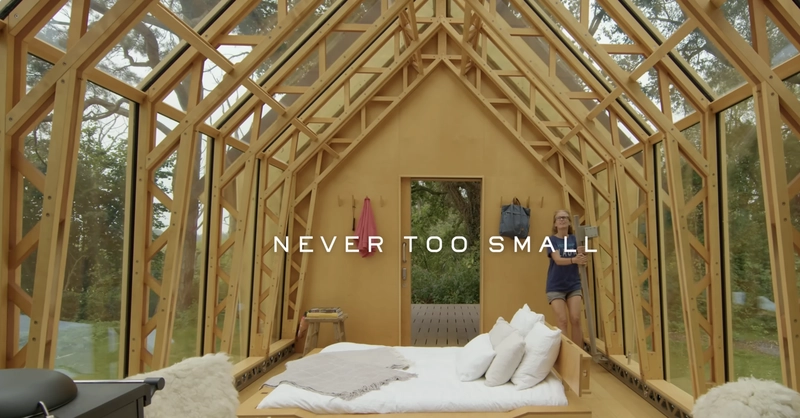
As an architect, I often observe that modern living has become too detached from the environments we inhabit. We frequently build static boxes with closed boundaries, isolating ourselves from the world outside. However, a shift is occurring—a movement toward transformative architecture that prioritizes healing, flexibility, and a profound connection to nature,. Projects like Cabin ANNA exemplify this shift, proving that architecture can be a dynamic tool for living rather than just a fixed shelter.
Dissolving Boundaries: Architecture and Nature
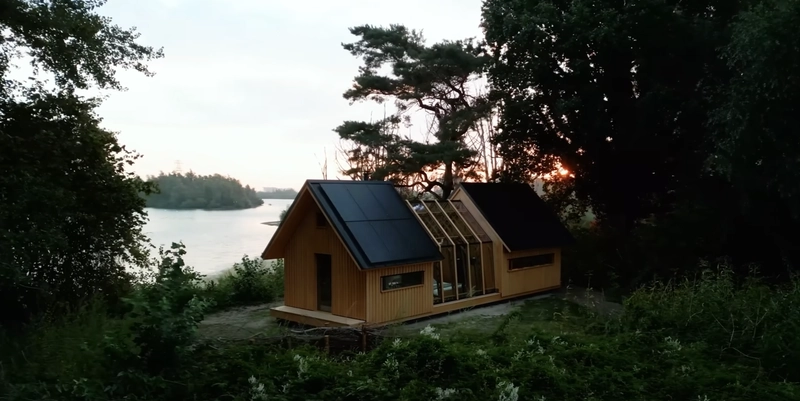
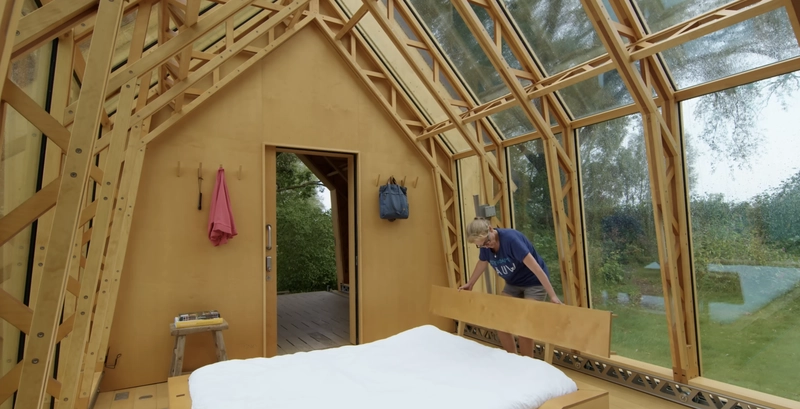
The relationship between a structure and its surroundings should be fluid. By moving away from static designs, we can create spaces where boundaries are constantly adjusted by the inhabitant. In Cabin ANNA, this is achieved through sliding wooden and glass shells that allow the house to literally open up to the environment,.
This design philosophy encourages individuals to feel “at one” with nature, facilitating a healing process by surrounding the occupant with life,. Whether it is showering with a direct view of the outdoors or utilizing elongated windows that maintain a visual connection to the wilderness while blocking harsh summer sun, the architecture serves as a bridge to the natural world,.
Redefining Spatial Efficiency
Modern living does not require vast amounts of square footage to achieve high quality. We can host diverse events—from yoga retreats to intimate dinners—within a compact footprint by employing reconfigurable layouts,. Cabin ANNA, for instance, occupies a mere 30m² in its compact form but can expand to 50m² by pushing out its glass shells,.
To maximize such small spaces, every element must be multi-functional:
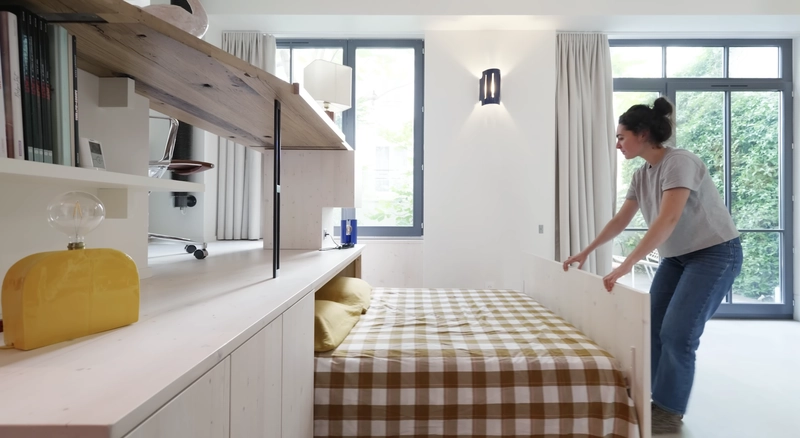
• Hidden Amenities: Utilizing “inventions” like a bed winched into the floor or a bath hidden under removable floor panels allows a single room to transition from a bedroom to an open-plan living area in minutes,.
• Technical Innovation: Moving massive structures, such as 3,000kg shells, can be achieved manually using systems like the Inverted Dutch Bike Brake System, which allows for easy movement and automatic braking.
• Smart Storage: Integrating central storage compartments for folding furniture and utilizing galley kitchens ensures that small-scale living remains organized and functional,.
Sustainability and Material Integrity
True sustainability in modern architecture involves both the materials used and the long-term impact on the site. A building should be demountable, sitting on foundations like screw piles so that when it is moved, it leaves nothing behind,.
The selection of materials is equally critical for longevity and aesthetic harmony:
• Durability: Stainless steel is ideal for kitchens and bathrooms because it is waterproof and incredibly durable,.
• Resilience: Materials like Coya wood are chosen for their high performance in humid environments, while birch plywood provides a warm, interior finish,.
• Off-Grid Autonomy: Modern living can be entirely self-sufficient. By integrating solar energy, wood stoves connected to boilers for winter heating, and three-phase sewage systems that return clean water to the earth, architecture can exist in harmony with even the most sensitive wildlife reserves,.
In essence, architecture influences modern living by challenging us to live with less space but more intention. It invites us to interact with our shelter using our own “muscle power,” making us active participants in our environment rather than passive observers.
Architecture is like a camera lens; it doesn’t just provide a view, it allows us to adjust the focus and aperture of our lives, choosing exactly how much of the world we want to let in at any given moment.