
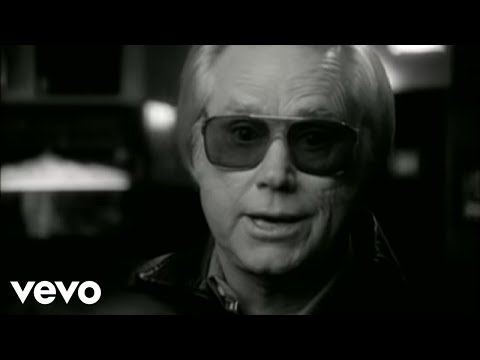
George Jones’s “Wrong’s What I Do Best”: A Timeless Classic in Music History
When it comes to the annals of country music, few names resonate as deeply as George Jones. Renowned for his rich voice and poignant storytelling, Jones’s influence continues to be felt across the genre. One of his most iconic tracks, “Wrong’s What I Do Best,” stands as a testament to his artistry and the enduring power of country music. Released in 1980, the song encapsulates the pain of heartache, the complexity of human emotions, and the nuanced storytelling that defines the genre. In this article, we delve into the intricate layers of “Wrong’s What I Do Best,” exploring its creation, themes, and the indelible mark it has left on music history.
George Jones: A Cornerstone of Music
George Jones, often referred to as “The Possum,” was born on September 12, 1931, in Saratoga, Texas. His career spanned over five decades, during which he became one of the most respected and influential figures in country music. With a distinctive voice that could convey a deep sense of sorrow and joy, Jones quickly gained popularity in the 1950s and ’60s. His ability to blend honky-tonk with traditional country music created a unique sound that resonated with audiences. Throughout his career, he released numerous hits and collaborated with a wide range of artists, proving his versatility and talent.
The Era of “Wrong’s What I Do Best”
“Wrong’s What I Do Best” was released in a pivotal period for country music, characterized by a shift towards more emotionally driven storytelling and a blend of traditional and contemporary sounds. The late 1970s and early 1980s saw the rise of outlaws in country music, with artists like Willie Nelson and Waylon Jennings pushing the boundaries of the genre. During this time, Jones was at the forefront, navigating his own struggles with addiction and personal turmoil while continuing to produce profound music. The song was a reflection of his life experiences, embodying the raw and often painful truths of love and loss that so many could relate to.
Songwriting Credits and Significance
The Storyline of “Wrong’s What I Do Best”
The narrative of “Wrong’s What I Do Best” revolves around a man who has come to terms with his flaws and the mistakes he has made in love. The protagonist acknowledges that he is not a perfect partner, and instead of pretending otherwise, he embraces his shortcomings. The song captures the essence of self-awareness and acceptance, as the protagonist reflects on his past relationships and the pain he has caused. This candid exploration of personal failure resonates with listeners, making the song a relatable anthem for anyone who has grappled with their own imperfections.
Lyrical and Thematic Analysis
The lyrics of “Wrong’s What I Do Best” are a masterclass in vulnerability and honesty. The opening lines set the tone, with Jones’s gravelly voice delivering a raw confession that draws listeners in. Themes of regret, sorrow, and acceptance permeate the song, creating a poignant narrative that feels both personal and universal. The refrain, “Wrong’s what I do best,” serves as a powerful reminder of the complexity of human relationships, highlighting that sometimes, acknowledging one’s flaws is the first step toward growth. The song’s lyricism reflects the struggles of love and loss, encapsulating the essence of country music as a genre that thrives on storytelling.
Vocal Delivery and Emotional Interpretation
One of the most striking features of “Wrong’s What I Do Best” is George Jones’s vocal delivery. His ability to infuse emotion into every line is unparalleled; listeners can feel the weight of his experiences in the quiver of his voice. Jones’s phrasing and timing add an extra layer of depth to the song, allowing the rawness of his emotions to shine through. He masterfully navigates the delicate balance between sorrow and acceptance, creating a performance that resonates on an emotional level. It’s this authenticity that has solidified his status as one of the greatest vocalists in country music history.
Instrumentation and Production Style
The instrumentation of “Wrong’s What I Do Best” is quintessentially country, featuring a blend of steel guitar, fiddle, and piano that enhances the song’s emotional depth. The arrangement is understated, allowing Jones’s voice to take center stage while providing a rich backdrop that complements the lyrical content. The production style, characterized by its simplicity and sincerity, reflects the raw emotion of the song. This approach aligns with the broader trends of the era, where authenticity and storytelling were prioritized over flashy production techniques.
Chart Performance and Cultural Impact
Legacy within Classic Music
As time marches on, “Wrong’s What I Do Best” remains a timeless classic in the world of country music. George Jones’s legacy is defined not only by his extensive catalog of hits but also by the emotional depth and authenticity he brought to his performances. The song continues to inspire new generations of artists and songwriters, serving as a benchmark for what it means to convey genuine emotion through music. Its presence in the canon of classic country music underscores the genre’s ability to tell stories that resonate with the human experience, making it a beloved piece of cultural history.
In conclusion, “Wrong’s What I Do Best” is not just a song; it is a powerful expression of human emotion, vulnerability, and the complexities of love. George Jones’s masterful storytelling and vocal delivery have ensured its place in the hearts of listeners, solidifying its status as a timeless classic. As we reflect on its significance, we are reminded of the profound impact that music can have on our lives, capturing the essence of our experiences and emotions in a way that transcends time and place.
“`