The New Vanguard of Interior Design: Storytelling through “Cartooncore” and Surrealism
In the modern era of interior design, we are witnessing a profound shift away from the sterile and the generic. Homeowners are no longer seeking just a “renovated” space; they are looking for storytelling and emotional resonance. As an expert in the field, I am increasingly seeing the rise of “cartooncore”—a movement that blends architecture with imagination to create environments that feel like stepping into a dream or a vibrant animated film. By embracing a bit of the “weird” and the surreal, we can transform compact living into a high-functioning, adult playground.
The Power of Visual Narrative and Surrealism
Current trends prioritize a “fun and a bit surreal” aesthetic that maintains a “grown-up” functionality. Inspired by the 90s wave of animated films where 2D characters enter the real world, this trend utilizes furniture and fixtures that act as characters within a room. For instance, incorporating pieces with unexpected silhouettes, such as a coffee table inspired by the duality of “spikes and roses,” adds a layer of “beauty and danger” that sparks conversation and emotional depth.
How Design Affects Mood and Comfort
Design choices are the primary drivers of the “vibe” or atmosphere of a home. We can manipulate mood through strategic color and material choices:
• Immersion through Color: Cladding a bathroom entirely in long green tiles can create a “tropical greenhouse” vibe, offering a sense of total immersion and relaxation.
• Energizing Social Spaces: Using high-energy colors like neon orange for seating or a large custom bookshelf can define a living area as a place of creative energy.
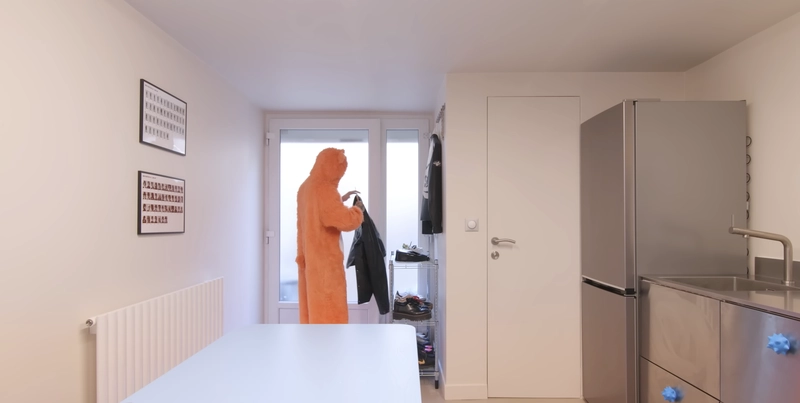
• Softening Industrial Lines: In a sleek, stainless steel kitchen, adding a semicircle backsplash that mimics a sunrise can soften sharp metallic lines and make the space feel more welcoming.
Innovating in Compact Spaces
True design “magic” often happens when we are forced to think differently by small footprints. The goal is to keep a space functional without “overloading” it.
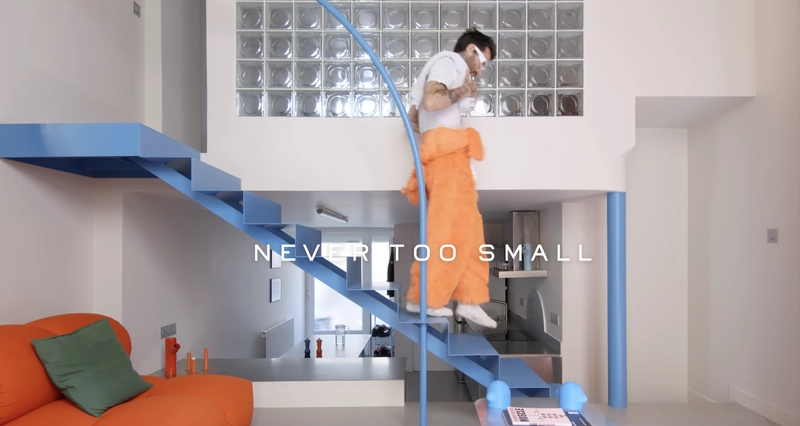
• Architectural “Glitches”: You can create drama in a small apartment by rotating a staircase to make the climb feel more intentional and theatrical. Painting a light, metallic staircase in an intense “swimming pool blue” can make it appear to float, turning a structural necessity into a centerpiece.
• Smart Zoning: Use slight elevations or glass brick walls to create a “sense of place” for different rooms without needing doors or walls to separate them. This maintains an “open, breathable feeling” while providing necessary privacy.
Expert Design Advice for the Modern Home
To implement these trends and enhance your home’s comfort, consider the following specific strategies:
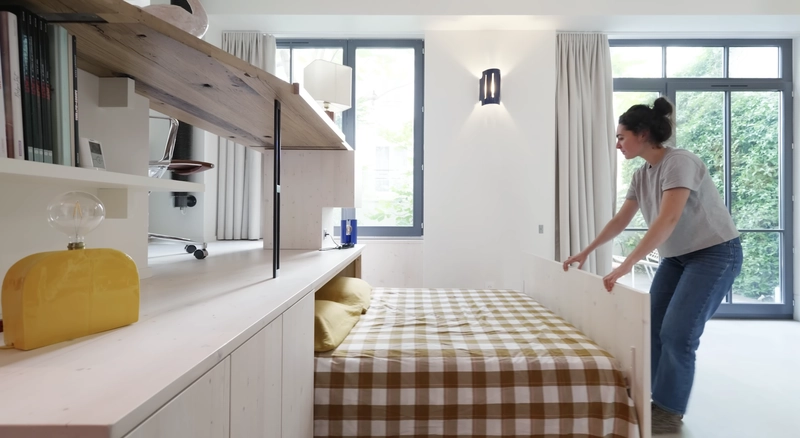
1. Prioritize Multifunctional Pieces: In compact bedrooms, choose bed frames with built-in storage to keep the environment “visually clean” and highly functional.
2. Focus on “Little Touches”: You can flip the vibe of a standard room with small, custom details, such as 3D-printed handles or playful wall lights, which bring a “weird universe” into everyday tasks.
3. Optimize Flow over Tradition: Do not be afraid to move traditional fixtures, such as relocating a toilet to a lower floor, to free up space for high-value additions like a walk-in closet.
4. Balance Materials: Pair the “city grit” of poured concrete floors with the “softness” of high-end fabrics, such as Raf Simons upholstery, to create a sophisticated yet edgy aesthetic.
Ultimately, interior design is about more than just filling a room; it is about using your imagination to push boundaries. By treating your home as a narrative space, you can create a sanctuary that is as playful as it is functional.