The New Urban Canvas: How Architecture is Reclaiming the Small and the Historic
In the heart of the Mediterranean, within the fortified walls of Cospicua, Malta, a 60-square-meter apartment is challenging the traditional notions of domestic space. Lucia, a Maltese architect currently working and studying in Dublin, has transformed a postwar infill block—vacant for over two decades—into a masterclass in modern, compact living. Her project illustrates a growing global trend: the shift away from sprawling suburban footprints toward “small interventions” that maximize light, history, and utility in dense urban centers.
Breaking the Corridor Culture
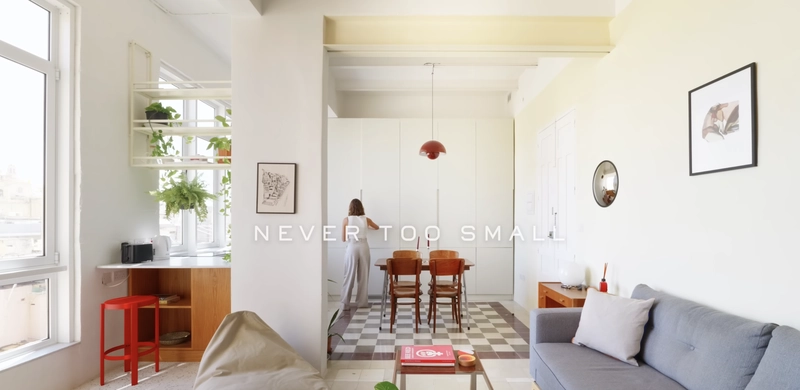
Modern lifestyles increasingly demand fluidity over formality. In Lucia’s apartment, the original layout featured a kitchen cramped into a narrow corridor, effectively acting as a barricade against natural light. To adapt the 1950s structure for contemporary life, Lucia widened three doorways, merging the kitchen, living, and dining rooms into a single, cohesive open-plan area.
This “opening up” of the floor plan is more than aesthetic; it is functional. By lowering windowsills to the level of the kitchen’s Carrara marble countertops, the eye is drawn outward to the city, making the 645-square-foot space feel significantly more expansive. “The result is that your eyes are really drawn out towards the view of the city,” she explains, noting that the aluminum frames even mimic the proportions of a traditional Maltese balcony to create the sensation of an outdoor terrace.
The Art of Hidden Utility
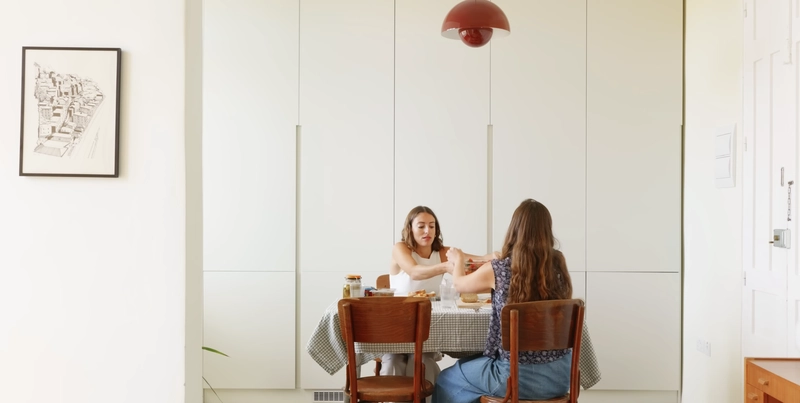
As living spaces shrink, the “clutter” of daily life must be meticulously managed. Lucia’s design relies heavily on bespoke, full-height cabinetry that conceals the chaotic machinery of a household—pantry items, a washer-dryer, cleaning supplies, and even a ladder are tucked behind minimal oak doors.
Furthering this efficiency, she utilized:
• Integrated Appliances: The induction hob, oven, and dishwasher are all built into lower cabinets within easy reach of one another.
• Concealed Storage: A large overhead space, hidden behind an oak veneer door, provides a home for suitcases and seasonal clothing.
• Multi-functional Zones: The marble countertop includes an overhang that serves as both a breakfast bar and an additional workspace.
A Dialogue with the Past
The modern inhabitant often seeks a balance between sleek contemporary design and “character-filled” history. Lucia chose to whitewash the stone walls to emphasize their three-dimensional texture rather than hide them. Interestingly, when walls were removed to create the open plan, she used reclaimed white cement tiles to leave a “trace of the original position of the walls”.
Sustainability and community also play a role in this lifestyle shift. Lucia’s home features a dining table saved from a neighbor’s skip and original furniture left behind by previous residents. By reinstating the original balcony railing and using doors salvaged from other parts of the flat, the renovation becomes a conversation with the building’s heritage.
The Architect’s Perspective
For Lucia, the project was about more than just square footage. She notes that working in a place like Malta requires an architect’s interventions to “enter into dialog with rich architectural and cultural heritage”. This approach allows urban dwellers to enjoy the benefits of a historic setting—such as high ceilings and proximity to the sea—without sacrificing the bright, airy feel of a modern luxury home.
In many ways, designing a small modern home is like tailoring a bespoke suit: it requires stripping away the excess fabric of the past to ensure that every remaining inch perfectly fits the movements and needs of the person living inside it.