The Alchemy of Small Spaces: Redefining Modern Living through Intentional Design
In the modern urban landscape, the role of the architect has shifted from merely constructing shells to masterfully orchestrating the quality of life within limited footprints. As we adapt historical structures—such as the early 20th-century artist ateliers in Paris—for contemporary life, we see that true luxury is no longer defined by square footage, but by spatial intelligence, material integrity, and a seamless connection to the natural world.
The Science of Spatial Efficiency
Spatial efficiency is the cornerstone of modern urban architecture. In a compact 33-square-meter home, every centimeter must serve a dual purpose. Strategic zoning allows us to place utility-heavy areas, such as kitchens and storage, against walls with the least natural light, preserving the brightest areas for living and working. We can also manipulate perception through architectural “cues.” For instance, dropping a ceiling height and using bold colors in an entrance creates a sense of compression that makes the subsequent living areas feel significantly more expansive as you step into them.
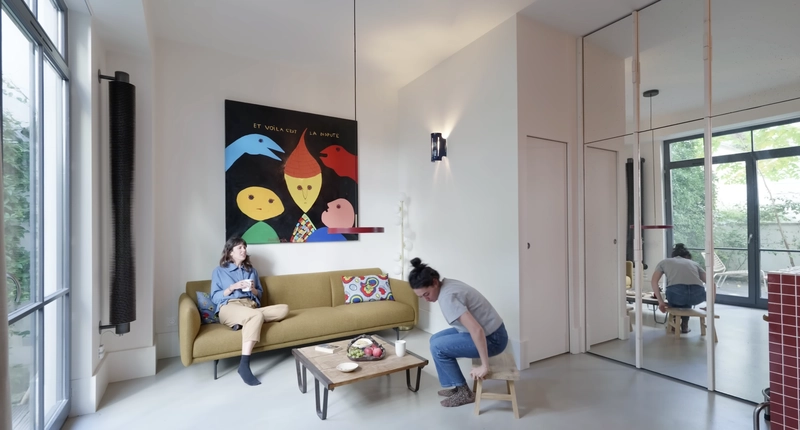
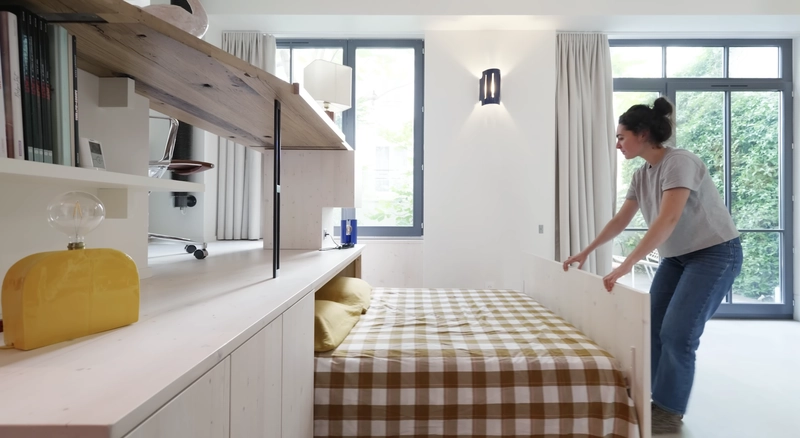
Efficiency also demands multifunctional furniture and vertical integration. A mezzanine can serve as a dedicated office space, while a sliding bed mechanism allows the sleeping area to disappear underneath when not in use, avoiding the cramped aesthetic of a traditional bunk bed. Even the smallest details, such as mirrored closet doors and reflective stainless steel cabinetry, work to bounce light throughout a space, visually extending the boundaries of a room beyond its physical walls.
Material Integrity and Sustainability
As architects, our choice of materials influences both the soul of the home and its environmental footprint. Modern living thrives when we blend industrial durability with sustainable innovation. This can be seen in the use of:
• Salvaged materials: Utilizing oak reclaimed from old train wagons for desk surfaces adds a layer of history and sustainability to a functional workspace.
• Recycled components: Integrating accessories made from ocean-bound plastic and compostable packaging ensures that even the smaller elements of a home align with ecological values.
• Durable finishes: Materials like lava stone countertops with enamel finishes and varnished concrete floors pay homage to a building’s industrial past while providing a surface that is easy to maintain and built to last.
By choosing materials that handle heat, moisture, and daily wear, we ensure that the home remains a “lively and mixed” environment for years to come.
Architecture as a Bridge to Nature
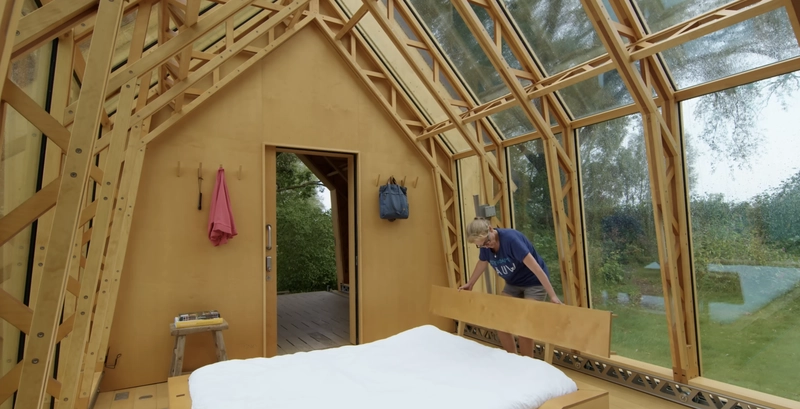
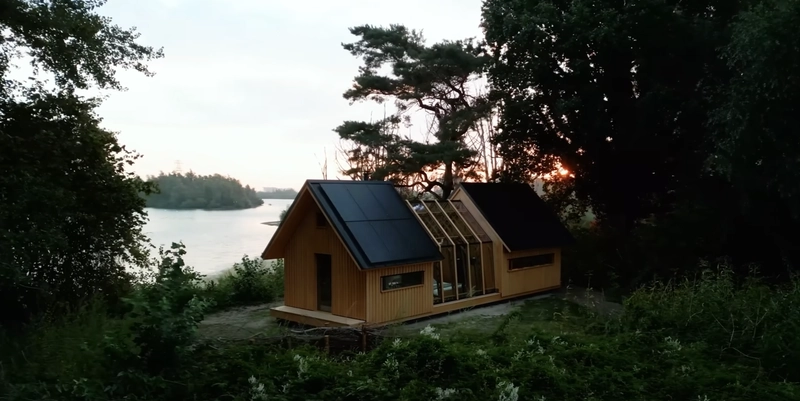
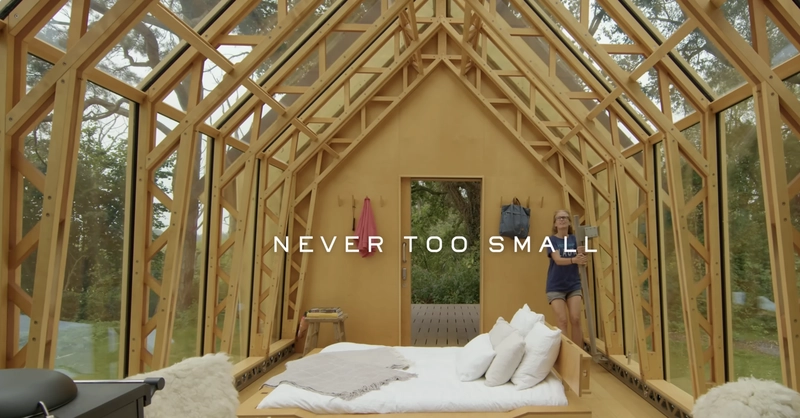
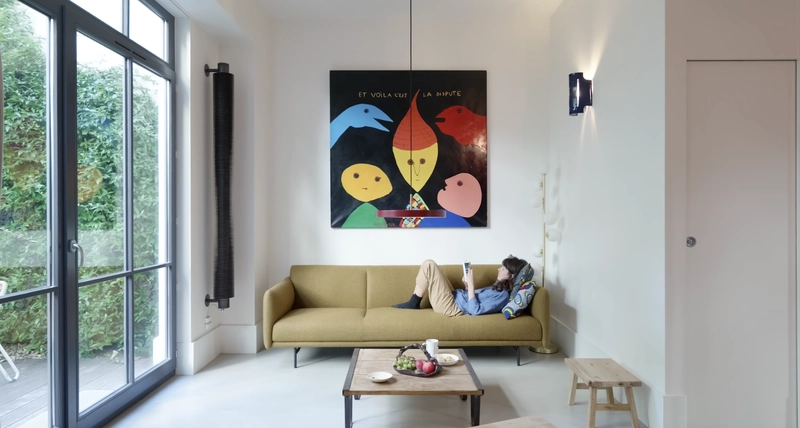
The relationship between architecture and nature is perhaps the most vital component of modern wellbeing. A home should not feel like a cage; instead, it should visually extend into the greenery of its surroundings. Large terrace doors and strategically placed windows can frame a private garden, making the outdoor space feel like a direct continuation of the interior lounge.
By incorporating dedicated outdoor decks and thoughtfully curated plants and trees, we encourage residents to engage with the outside world. This connection to greenery offers essential moments of quiet within a busy city, proving that even a tiny footprint can offer the comforts and restorative qualities of a much larger home.
Ultimately, thoughtful design allows us to keep the character of our historical neighborhoods while making them affordable and adaptable for the future.
Architecture is like a well-crafted lens: it doesn’t just hold the view; it focuses the light and expands our perspective, making even the smallest world feel infinitely larger.